 Yushunxin 비료 생산 장비
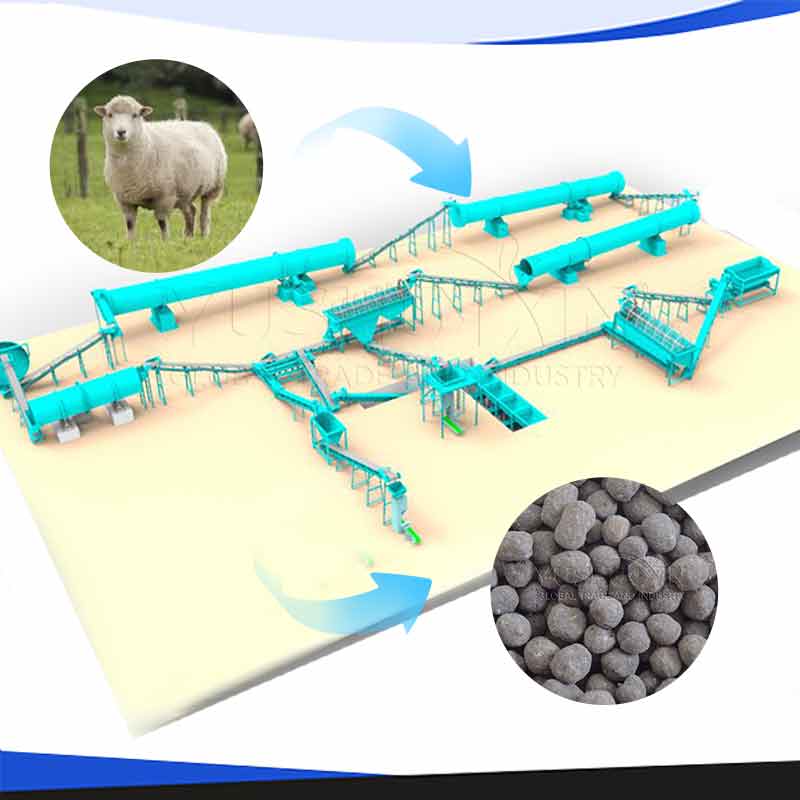
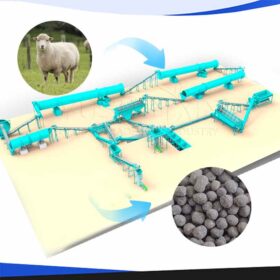
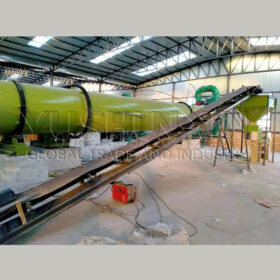
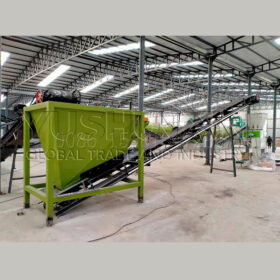
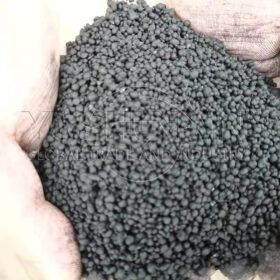
양분뇨 유기비료 생산라인은 양분뇨를 고효율 유기비료로 전환하는 라인입니다.. 주요 공정 흐름에는 원자재가 포함됩니다. (양분 및 보조 재료) → 발효 → 파쇄 → 스크리닝 → 혼합 → 과립화 → 건조 → 냉각 → 포장 → 완제품 보관.
1. 원료 준비
주원료는 신선한 양분입니다. 일부 보조 재료, 쌀겨와 같은, 톱밥, 빨대, 등., 원료의 탄소-질소 비율과 수분 함량을 조정하기 위해 첨가될 수도 있습니다..
2. 발효과정
퇴비 발효: 양분과 부원료를 일정 비율로 혼합, 그것들을 쌓아라, and conduct aerobic fermentation. During the fermentation process, regular turning is needed to ensure adequate oxygen supply. Crawler Type compost turner or Groove-type fermentation equipment can be used, which can more effectively control temperature and humidity and improve fermentation efficiency.
3. Crushing and Screening
발효 후, the materials are crushed to facilitate subsequent granulation and mixing. After crushing, screening is required to remove large clumps and impurities, ensuring the uniformity of the finished product.
4. Mixing and Granulation
혼입: Mix the fermented sheep manure with other organic or inorganic fertilizers, microbial agents, 등., to create different types of organic fertilizers.
육아: Use the organic fertilizer granulator to form the mixed materials into granules. Common granulation equipment includes disc granulators, drum granulators, and new type organic fertilizer granulators.
5. Drying and Cooling
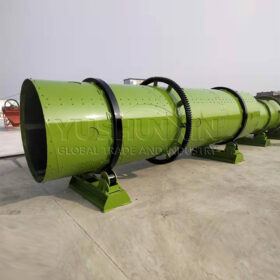
건조: The granulated organic fertilizer has a high moisture content and needs to be dried using a dryer to facilitate storage and transportation. The drying temperature and time need to be controlled appropriately to prevent nutrient loss.
냉각: The dried organic fertilizer granules are at a high temperature and are cooled using a cooler to reach a normal temperature, making them ready for packaging.
6. 포장
The cooled organic fertilizer granules are packaged using a packaging machine and are packed into bags of different specifications as required for market.
7. Storage and Transportation
The packaged organic fertilizer should be stored in a dry and ventilated warehouse to prevent moisture. During transportation, attention should be paid to moisture-proofing and preventing damage.